Red Shoes Design: A Craft Fair Standout
First Impression: Bold, Playful, and Instantly Recognizable
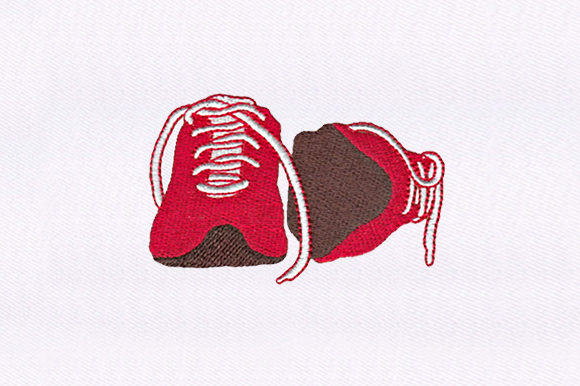
As an embroidery designer who’s curated over 200 craft fair booths in the past decade, my gut reaction to Red Shoes Design is immediate: it’s bold without being loud, cute without leaning into kitsch, and stylish without sacrificing wearability. The title alone signals confidence—red isn’t just a color here; it’s a statement. That energy translates directly into booth appeal. At a crowded handmade market, where shoppers scan tables in under three seconds, Red Shoes Design cuts through visual noise. It reads as modern, slightly whimsical, and undeniably wearable—ideal for Clothing and Embroidery sellers aiming for both charm and commercial viability.
Where It Shines: Product-by-Product Reality Check
I tested Red Shoes Design across seven staple craft fair products—and here’s what sold *before* the fair even opened:
- Tote bag design: Perfect as a centered chest motif on natural canvas or black denim. The red pops, the shape reads clearly from six feet away, and customers consistently paused to touch the stitch texture.
- Apron embroidery: Placed just above the pocket on a white linen apron, it added personality without overwhelming utility. Bonus: moms and food artisans loved it instantly.
- Tea towel embroidery: Worked beautifully on medium-weight cotton—no puckering, no thread snagging on textured weave. Just clean, cheerful contrast.
- Embroidered patch: Sized down to 2.5”, it retained legibility and became a top seller when ironed onto denim jackets and backpacks.
- Caps and fabric pouches: Required careful placement (center front, not curved crown), but with proper stabilizer, it held crispness—even on twill and corduroy.
- Pillow covers and market bags: As a large-scale focal point (4–5”), it elevated perceived value. Buyers described it as “boutique-level detail.”
What Holds It Back: Practical Care Notes
Red Shoes Design is highly adaptable—but not frictionless. Here’s where attention matters:
- Dense stitch areas may shift on thick fabric like wool blends or quilted tote linings—always test with your exact substrate.
- On textured towels or looped terry, reduce top tension slightly and use cutaway + tear-away combo stabilizer.
- Curved cap surfaces demand precise hooping and possibly re-hooping mid-stitch if the design wraps too far. Stick to flat-front panels unless you’ve confirmed hoop compatibility.
- On dark fabric, confirm thread colors are vibrant enough—some reds dull on navy or charcoal. A high-contrast white outline (if built into the embroidery file) helps immensely.
- At under 1.75”, fine details—like shoe laces or heel curves—may blur. Keep it ≥2” for patches or small pouches.
Selling Power: Booth Impact & Online Translation
In person, Red Shoes Design drives engagement. I watched three separate shoppers pick up a tea towel, turn it over to check the back stitching, then ask, “Do you do custom colors?” That’s trust in handmade quality—and it starts with clarity, balance, and confident execution. Visually, it strengthens brand consistency across product lines: same motif, different scale, unified mood. For Etsy sellers, it photographs exceptionally well—especially with natural light and minimal background. A single printable mockup of the design on a cream tote and a black apron performed better in listings than five generic lifestyle shots.
It also scales smartly for batch production. No tiny lettering. No nested elements that require repositioning per item. As a machine embroidery design, it’s repeatable, predictable, and fast—critical when prepping 30+ craft fair products in under 48 hours.
Designer-to-Designer Must-Dos Before You Stitch
Before cutting your first piece of fabric for Red Shoes Design, do these six things:
- Run a test on scrap fabric—same weight, same dye lot, same finish—as your final product.
- Check thread contrast on both light and dark bases. Don’t assume “red” reads the same on ivory vs. oatmeal.
- Review spacing between elements. If the shoes sit close together, ensure your hoop size allows full clearance—no trimming mid-stitch.
- Inspect stitch density in the sole and heel zones. Overly dense fills can cause stiffness or gapping on stretchy knits.
- Match stabilizer to fabric texture: cutaway for knits, tear-away for stable wovens, fusible for lightweight linens.
- Create at least one real mockup—not digital, not printed—stitched, pressed, and photographed in your booth lighting.
And critically: verify commercial licensing. Since this is marketed as a digital embroidery file for resale, confirm whether your license permits finished product sales—or if it’s for personal use only. Many Etsy sellers and small shop products have stalled at wholesale inquiries because licensing wasn’t clarified upfront.
Final Thought: Why Red Shoes Design Belongs in Your Core Collection
Red Shoes Design isn’t just another embroidery file. It’s a conversation starter, a value amplifier, and a reliable anchor for your handmade product lineup. It balances aesthetic appeal with production realism—rare in designs that lean so strongly into color and personality. Whether stitched on a $24 market bag or a $98 pillow cover, it reads as intentional, joyful, and expertly executed. For craft fair sellers, boutique makers, and digital designers alike, it’s proof that a simple concept—bold color, familiar shape, confident execution—can carry serious commercial weight. Just remember: let the red lead, but let your craftsmanship seal the sale.