Easter Egg and Butterfly Redwork
First Impression: Festive, Folk-Charm with Clear Handmade Appeal
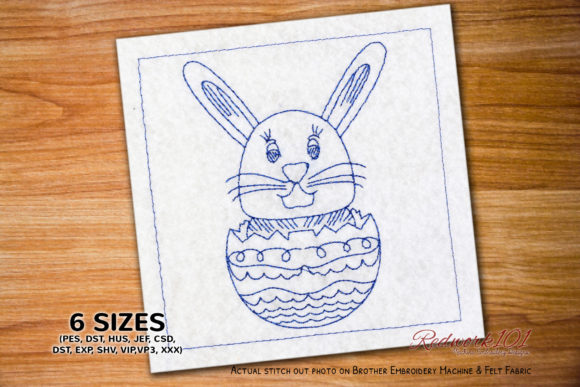
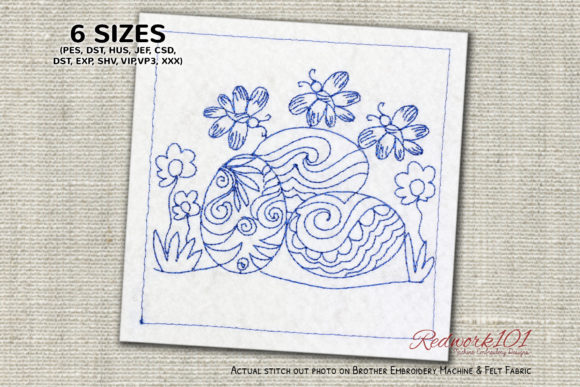
As an embroidery designer who’s prepped over 200 craft fair booths—and shipped thousands of embroidered items to Etsy sellers and boutique makers—I instantly recognize the quiet confidence in Easter Egg and Butterfly Redwork. It reads as festive without being cutesy, traditional without feeling dated, and handcrafted without sacrificing clarity. The redwork style—clean lines, minimal shading, strong outlines—gives it immediate legibility at booth distance. Customers scanning a table full of spring-themed goods will pause here first: it’s bold enough to stand out on a folded tea towel, soft enough to charm on a linen pouch, and elegant enough to elevate a market bag from “nice” to “I need this.”
Where Easter Egg and Butterfly Redwork Shines On Craft Fair Products
This design thrives where handmade intention meets everyday utility. On tote bags, it anchors the lower corner or centers beautifully above a pocket—no competing patterns needed. For apron embroidery, it works perfectly on the bib or pocket, especially when paired with simple red or cream thread on natural cotton or denim. As tea towel embroidery, it lands with warmth and nostalgia—ideal for farmhouse kitchens and gift sets. And yes, it scales down gracefully: as an embroidered patch, it holds detail even at 2.5 inches wide, making it perfect for caps, denim jackets, or small pouches.
It also excels on pillow covers (centered or corner-accented), small fabric pouches (great for Easter egg hunts or gift cards), and handmade gifts like stitched bookmarks or sachets. Unlike overly intricate motifs, Easter Egg and Butterfly Redwork doesn’t get lost in fabric texture—critical when embroidering on terry cloth towels or slubbed linen. Its clean silhouette photographs exceptionally well for printable mockups and Etsy listings, requiring minimal editing to convey authenticity and care.
Production Realities: Smart, Scalable, and Booth-Ready
This is a machine embroidery design built for real-world output—not just digital perfection. The optional Box Stitch? A thoughtful touch: it adds framing polish for premium pieces (like boutique pillow covers) but can be skipped for speed on high-volume items like patches or market bag samples. That flexibility matters when you’re stitching 40+ pieces between Friday prep and Saturday setup.
Easter Egg and Butterfly Redwork performs consistently across sizes. At 3–4 inches, it’s a confident focal point. At 1.75 inches, it remains legible as a subtle accent—ideal for cap fronts or corner embroidery on napkins. Its moderate stitch density means less thread breakage, faster run times, and reliable results on mid-weight fabrics. No dense fill areas that bog down your machine or cause puckering on delicate linens.
Careful-Use Notes Every Embroiderer Should Check
- Tiny details? The butterfly wings and egg contours are defined—but not micro-fine. Still, test on your target fabric before batch production.
- Dark fabric? Redwork traditionally uses red thread on white/cream, but if using dark fabric, confirm contrast: light tan or ecru thread often reads better than stark white on charcoal or navy.
- Curved surfaces? On caps or curved pouch seams, reduce stitch count slightly or adjust underlay—this design responds well to minor tweaks.
- Textured towels? Use medium-cutaway stabilizer beneath terry cloth; the clean lines hold up, but weak stabilization blurs the egg’s outline.
- Small sizes? Below 1.5 inches, the butterfly’s antennae and egg’s subtle patterning may soften. Keep it ≥1.75" for retail clarity.
Why This Design Strengthens Your Booth & Brand
In a sea of generic florals and cartoon bunnies, Easter Egg and Butterfly Redwork signals craftsmanship—not just decoration. It reinforces perceived handmade quality through intentional line work and heritage technique. For small shop products, it supports brand consistency: use it across your Easter collection (towels, patches, totes) and customers instantly recognize your line. Visually, it boosts booth display strength—group three items (a tea towel, a pouch, and a cap) side-by-side, and the shared motif creates rhythm and cohesion. Buyers engage longer, ask questions, and remember your table.
It also lifts product value: customers pay more for embroidery that feels intentional, not mass-produced. And because it’s rooted in redwork—a technique associated with heirloom sewing—it subtly communicates care, tradition, and time well spent.
Embroidery Designer’s Final Prep Checklist
- Test Easter Egg and Butterfly Redwork on scrap fabric matching your final product (e.g., unbleached linen for tea towels, twill for caps).
- Check thread colors against your fabric swatches—especially if deviating from classic red-on-cream.
- Review spacing and margins in your embroidery software—confirm it fits your standard hoop size without re-hooping.
- Inspect stitch density visually: look for balanced coverage, no thin spots on curves, no over-stitched corners.
- Use the right stabilizer: tear-away for stable cottons, cut-away for knits or textured weaves.
- Create at least one real mockup—not just a digital preview. See how light hits the stitches, how the fabric drapes, how it feels in hand.
- Compare fabric color options side-by-side—cream, oat, ivory, and natural each change the mood dramatically.
- Confirm commercial licensing status before selling finished products. If this is a digital embroidery file, verify usage rights for resale of physical goods.
A Design That Sells—Because It Feels True
Easter Egg and Butterfly Redwork isn’t just another embroidery file for your library. It’s a considered, booth-tested motif that bridges seasonal relevance with lasting appeal. It works for the Etsy seller uploading mockups at midnight, the craft fair vendor stitching 30 tote bags before sunrise, and the creative entrepreneur building a cohesive spring collection. It’s festive but not fleeting, simple but not basic, traditional but never tired. In short: it’s the kind of craft fair product that gets picked up, turned over, admired—and carried home.